
The Nigerian Government has commenced the process of developing the legal framework for the implementation of state police, unveiling a seven-week timeline for the proposed National Policing Bill and opening a nationwide public consultation to allow Nigerians contribute to the shaping of the legislation.
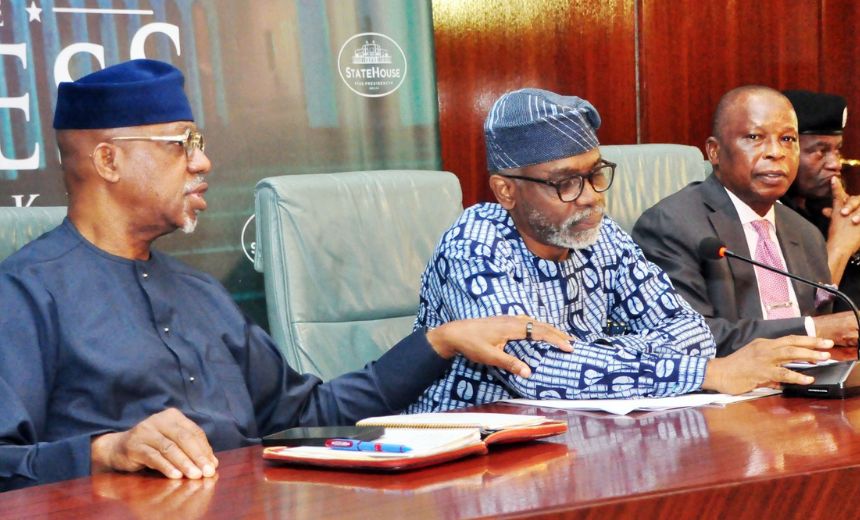
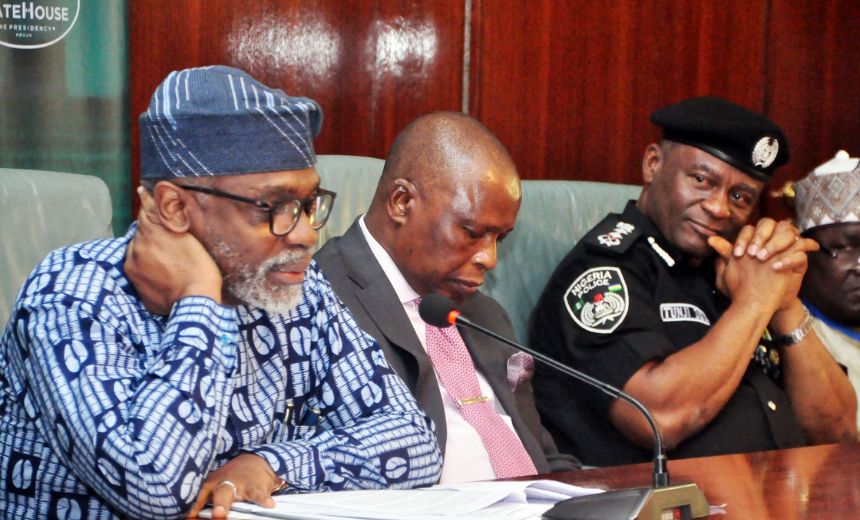
Chairman of the Presidential Working Group on the National Policing Bill and Chief of Staff to the President, Femi Gbajabiamila, announced this on Monday during a press briefing at the State House, Abuja.
The proposed National Policing Bill is designed to establish a lawful, professional and sustainable dual policing system that brings policing closer to communities, while preserving national standards, national security and the rights of every Nigerian.
Gbajabiamila explained that although the National Assembly has made significant progress on the constitutional amendment establishing state police, the amendment alone cannot make the system operational without a legal framework to back the initiative.
He said the working group’s assignment is to develop the necessary legislation and supporting documents required for a smooth transition to a dual policing structure.
President Bola Tinubu has also approved a multidisciplinary Policy Advisory Committee chaired by Justice Mohammed Abdullahi Liman to provide policy and technical oversight for the process.
The committee comprises representatives from the judiciary, academia, security agencies, the Nigerian Bar Association, the Nigeria Governors’ Forum, the National Assembly and Attorneys-General from the six geopolitical zones.
Beyond drafting the bill, the working group says it will conduct a legal audit, develop a state readiness framework, prepare fiscal and implementation plans, carry out clause-by-clause analysis and establish a risk management framework.
On concerns over possible abuse of state police powers, Gbajabiamila said national minimum policing standards will serve as safeguards to protect citizens and ensure that no Nigerian receives a lower standard of security because of where they live.
He stressed that while states will have the flexibility to go beyond the minimum requirements, every citizen must enjoy a basic level of protection.
The Chief of Staff also announced an open call for memoranda, position papers and practical proposals from Nigerians at home and abroad, professional bodies, civil society organisations, security institutions and other stakeholders.
To support public participation, the Federal Government unveiled NationalPolicingBill.com, an online platform where citizens can follow the reform process and submit their contributions.
The platform is expected to migrate to a government domain in the coming days.
Responding to questions from journalists, Gbajabiamila said it is too early to determine the cost of implementing state police, explaining that funding requirements will be based on scientific and evidence-driven assessments carried out across the states.
He added that states that are not immediately ready to establish their own police services will continue to receive policing support from the Nigeria Police Force until they meet the required operational standards.
The Attorney-General of the Federation and Minister of Justice, Lateef Fagbemi, said the minimum national standards are aimed at preventing state police from becoming instruments of political persecution, while ensuring equal protection for Nigerians irrespective of location.
Ogun State Governor, Dapo Abiodun, who is a member of the working group, described the proposed National Policing Bill as one of the most consequential reforms of the Tinubu administration.
He said the legislation would clearly define the responsibilities of federal and state police, address issues around funding, jurisdiction and firearms control, and provide the operational framework required for effective state policing.
The Federal Government says the reform will not single-handedly solve all security challenges, but believes it will strengthen Nigeria’s security architecture and create a policing system better suited to the country’s size, diversity and evolving security realities.
(Follow AIT News on WhatsApp, AfricaIndependentTV on YouTube, ait_online on Facebook and X (Formerly Twitter), and officialait on TikTok, Instagram and Threads)
(Editor: Anoyoyo Ogiagboviogie)