

Nigeria Has Been Urged To Reduce Its Dependence On Imported Food And Strengthen Local Food Production As Part Of Efforts To Tackle Hunger And Improve Nutrition.
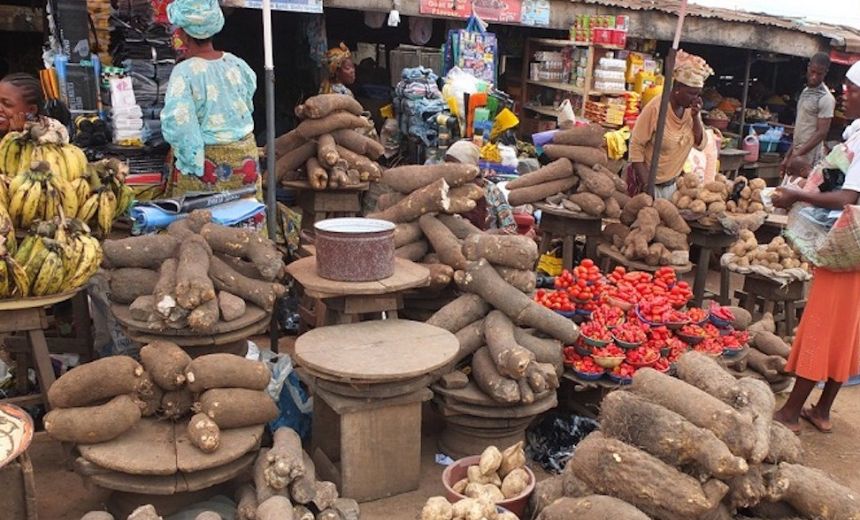
The Call Was Made At A Policy Dialogue On African Traditional Foods, Where Stakeholders Stressed The Need To Promote Indigenous, Nutritious, and Climate-Resilient Food Systems.
Millions of Nigerians continue to face food and nutrition challenges, even as the country has significant agricultural potential.
Speaking at the dialogue, a food security and ecosystem preservation specialist David Terungwa raised concerns over Nigeria’s growing dependence on imported food, citing statistics indicating that about seven-point-six trillion naira was spent on food imports in 2025.
MUST READ: Stakeholders Move To Curb Irregular Migration Among Nigerian Youths
The forum called for stronger protection for farmers and livestock producers while advocating climate-smart agriculture and better utilisation of existing infrastructure, including dams, to support year-round production.
The dialogue stressed that returning to Nigeria’s traditional food systems is not only about preserving cultural heritage but also about improving nutrition, strengthening local economies, and building a more resilient food system.
(Follow AIT News on WhatsApp, AfricaIndependentTV on YouTube, ait_online on Facebook and X (Formerly Twitter), and officialait on TikTok, Instagram and Threads)
(Editor: Ebuwa Omo-Osagie)