
The African Regional Organisation of the International Trade Union Confederation, ITUC-Africa, has called for full publication of the Nigeria-United States critical minerals framework signed in New York in September 2026, saying Africa’s resources must finance Africa’s development and not reinforce dependency.
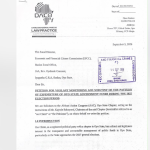
In a statement issued in Lomé, Togo, on 30 September 2026 and signed by its General Secretary, Akhator Joel Odigie, the labour body noted that the framework reportedly covers exploration, mining, processing, infrastructure and technical capacity, with Nigeria’s stated objectives including local processing, skills development, jobs and Nigerian business participation.
ITUC-Africa, however, said public information on the deal remains scanty, with shrouds over specific projects, financing commitments, mineral volumes, pricing, offtake provisions, duration, governance and enforceable domestic beneficiation obligations. It clarified that the widely reported US$700 billion figure is an estimate of Nigeria’s mineral resources, not a US investment commitment.
The continental trade union centre warned that Nigeria cannot replace dependence on crude oil exports with dependence on exports of lithium, rare earths or other unprocessed minerals, stating that changing the commodity without changing the structure of extraction is not economic transformation.
MUST READ: 29 Nigerian Universities Make 2027 Global Ranking, Five Join List
It stressed that this is a question of domestic resource mobilisation and Africa cannot keep seeking development finance abroad while surrendering revenues and industrial value embedded in its resources.
According to ITUC-Africa, Nigeria matters as one of Africa’s biggest economies and its most populous country with a large, versatile workforce and extensive consumer base capable of sustaining domestic industries. It argued that Nigeria’s resource choices can shape continental precedents, noting that Africa has too often surrendered resource wealth through arrangements whose implications became clear only afterwards.
Consequently, ITUC-Africa demanded legislative scrutiny, public debate and institutional oversight of the agreement, noting that Nigeria’s Constitution requires National Assembly enactment for treaties to acquire domestic force of law. It called for enforceable safeguards on domestic beneficiation, local content, technology transfer, decent work, taxation, public revenues, environmental protection and community benefit, in line with the African Union’s Africa Mining Vision.
(Follow AIT News on WhatsApp, AfricaIndependentTV on YouTube, ait_online on Facebook and X (Formerly Twitter), and officialait on TikTok, Instagram and Threads)
(Editor: Anoyoyo Ogiagboviogie)