


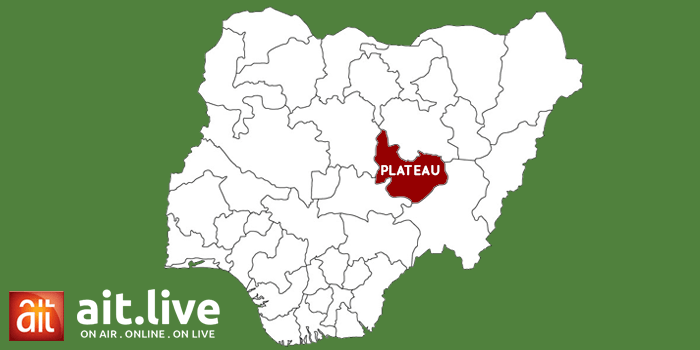
The recent outbreak of African Swine Fever in Plateau State has left pig farmers counting losses estimated in tens of millions of naira.
The highly contagious disease has devastated farms, disrupted livelihoods, and raised concerns over the future of the state’s swine industry.
Only a few months ago, pig pens were filled with healthy animals, supporting a thriving livestock business and providing livelihoods for farmers, farm workers, and other players along the swine value chain.
Today, many of the pens are empty.
Since the outbreak of African Swine Fever in June, the disease has spread rapidly across several farms in Plateau State, killing hundreds of pigs and leaving many farmers devastated as years of investment were wiped out within weeks.
Health experts say African Swine Fever is not a zoonotic disease, meaning it can not be transmitted from pigs to humans and does not pose a public health risk through human infection. However, its devastating impact on pig populations has left farmers grappling with enormous economic losses.
As the outbreak continues to take a heavy toll on the swine industry, many are asking why African Swine Fever has remained so difficult to contain despite ongoing response efforts.
Professor Chidebere Uchendu of the University of Jos Veterinary Teaching Hospital explains the characteristics of the disease and the factors that have made it particularly difficult to control.
The scale of the outbreak has prompted both the Plateau State and Federal Governments to intensify efforts to contain the disease through surveillance, public awareness campaigns, and strengthened biosecurity measures.
Beyond containment, stakeholders are advocating financial intervention and compensation for affected farmers to help them recover from the devastating losses and rebuild their businesses.
Despite the setback, industry players remain optimistic that with coordinated action, stronger disease surveillance, and sustained government support, the swine industry in Plateau State can recover and emerge more resilient.
(Follow AIT News on WhatsApp, AfricaIndependentTV on YouTube, ait_online on Facebook and X (Formerly Twitter), and officialait on TikTok, Instagram and Threads)
Editor: Ebuwa Omo-Osagie