
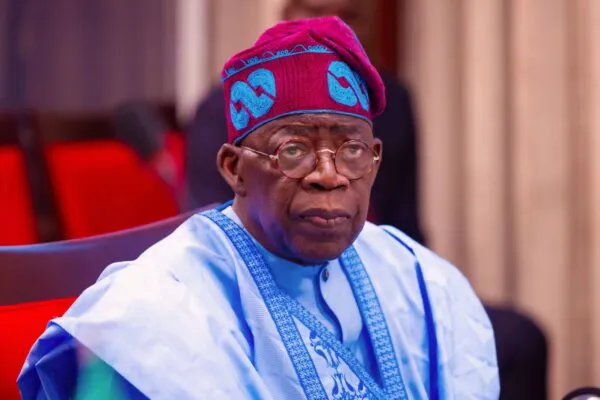
The Presidency on Sunday dismissed claims by former Vice President Atiku Abubakar that President Bola Tinubu’s administration is pursuing reckless fiscal policies, insisting that the government’s economic reforms are beginning to deliver positive results and should be assessed based on current realities rather than developments in 2024.
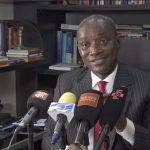
According to a statement issued on by the Special Adviser to the President on Information and Strategy, Bayo Onanuga, the Presidency said the opposition’s criticism failed to reflect the progress made since the early phase of the administration’s reforms, arguing that the economy had recovered significantly from the immediate effects of exchange rate adjustments and subsidy removal.
Onanuga said Nigeria’s economy had expanded in both dollar and naira terms since 2024, while debt remained within sustainable levels, stressing that the country’s debt-to-GDP ratio stood at about 40 per cent and that the debt service-to-revenue ratio had dropped from nearly 100 per cent in 2022 to below 60 per cent under the Tinubu administration.
The presidential spokesman maintained that borrowing should be judged against the country’s economic capacity and the purpose for which the funds are used, adding that the administration had channelled borrowed resources into long-term infrastructure and productive investments rather than recurrent expenditure.
Defending the removal of fuel subsidy, Onanuga said the policy had boosted allocations to states and local governments through the Federation Account, providing more resources for roads, schools, healthcare, salaries and other development projects, while describing the reform as a major step towards fiscal sustainability.
He also rejected claims that the administration’s tax reforms were designed to overburden Nigerians, explaining that the measures were intended to reduce taxes for low-income earners and small businesses while ensuring wealthier individuals and profitable companies contributed a fairer share.
Onanuga further highlighted government
Intervention in healthcare, education and infrastructure, including the revitalisation of thousands of primary healthcare centres, expansion of student loans through the Nigerian Education Loan Fund, and continued investments in roads, rail, power and other critical sectors.
The Presidency also dismissed Atiku’s claim of a ₦7.98 trillion oil windfall, arguing that the calculation ignored production shortfalls, production costs and existing crude-backed obligations, while insisting that any additional oil revenue was already reflected in monthly Federation Account allocations.
It added that although the reforms had imposed short-term hardship on Nigerians, they were necessary to address long-standing structural challenges, expressing confidence that the measures would continue to strengthen the economy, improve public finances and expand opportunities for citizens.
(Follow AIT News on WhatsApp, AfricaIndependentTV on YouTube, ait_online on Facebook and X (Formerly Twitter), and officialait on TikTok, Instagram and Threads)
Editor: Ebuwa Omo-Osagie