
For a state seeking to rebuild its economic fortunes, the bigger challenge may not simply be what government constructs, but how it restores the institutions, assets, and systems that keep the state running.
In Cross River, that effort is taking shape across different sectors, from the civil service and healthcare to public infrastructure and economic assets, while the government is also looking for ways to reduce the cost of running the state.
It is unfolding in the public service, where the government says it wants to strengthen manpower and restore capacity; in healthcare, where personnel and facilities remain critical to service delivery; and in public assets, some of which the administration believes can still be returned to productive use.
Tinapa is perhaps the most recognisable example.
Once conceived as a major tourism and economic destination, its decline has come to represent the wider challenge of preserving and extracting value from major public investments.
MUST READ:Cross River Seeks Urgent Federal Intervention After Massive Anansa Road Collapse
The state Commissioner for Information Ekpeyong Cohbam says restoring such assets, alongside infrastructure, is part of the state government’s effort to reopen economic opportunities and reposition Cross River.
The rebuilding effort also reaches a sector where the impact is felt directly by citizens and healthcare.
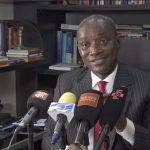
The state Commissioner for Health, Dr Henry Ayuk, says reforms in the sector are addressing manpower, the welfare of medical personnel, and the restoration and upgrading of health facilities.
But the value of any reform in the public sector is ultimately measured beyond government offices, in the experience of the people who depend on those services.
For some residents, changes in the availability of healthcare and the condition of public facilities are already being felt in the most practical way.
But rebuilding the state also means asking a basic question: how much does it cost to run government?
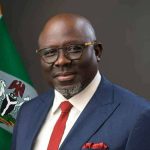
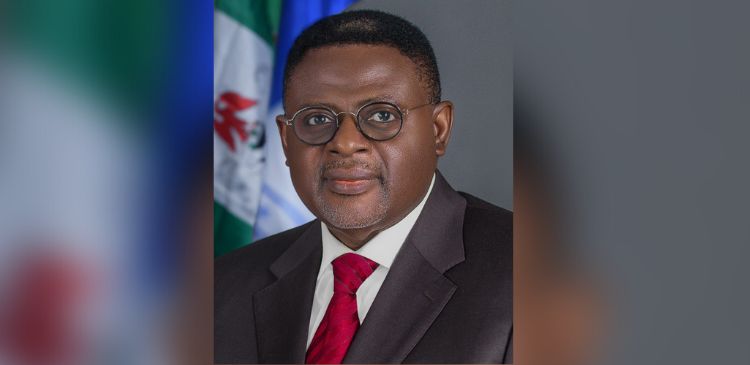
Months ago, Governor Bassey Otu rolled out electric vehicles for Permanent Secretaries, describing the initiative as both an economic and environmental decision.
The governor said about sixty per cent of the state’s expenses went into transportation and projected that the electric vehicles could cut fuel and running costs by more than seventy-five per cent.
The significance of that intervention is not simply in replacing petrol-powered cars with electric ones.
It is in whether the government can spend less on its own operations and release resources for other priorities.
Months after the vehicles were introduced, the experience of those using them provides a more practical test of that promise.
Across these interventions, the thread is the same: strengthening the machinery of government while trying to make the state’s existing resources work harder.
But rebuilding a state is ultimately more difficult than announcing reforms.
It requires institutions that function, health facilities that deliver care, public assets that generate value, and a government that can control the cost of its own operations.
(Follow AIT News on WhatsApp, AfricaIndependentTV on YouTube, ait_online on Facebook and X (Formerly Twitter), and officialait on TikTok, Instagram and Threads)
Editor: Ebuwa Omo-Osagie